The Nature of Luck in Gambling
The concept of luck is often entwined with the experience of gambling, especially within the vibrant atmosphere of casinos. Luck can be defined as an unpredictable force that influences outcomes in games of chance, making it a central theme in the gambling narrative. Many players step into casinos with the belief that luck will favor them, hoping for a series of successful bets or a dramatic turnaround in their fortunes, which is why many also enjoy online pokies australia as a way to test their luck further. This belief in luck significantly impacts a player’s mindset, leading to behaviors that can alter their overall strategy and excitement when engaging in various games.
However, the nature of luck is intricate and multifaceted. While some players may witness a string of wins and attribute their success to luck, others might encounter losses despite implementing effective strategies. This duality raises the question of whether luck is merely a perception formed during the highs and lows of gambling. Acknowledging that luck can be a temporary state allows players to better manage their expectations and engage with their gaming experiences more thoughtfully. This perspective fosters a balance between enjoyment and an understanding of the underlying odds at play.
Ultimately, while luck can influence immediate outcomes in games, it is essential to recognize that casinos are designed with a house edge that favors the establishment over time. This means that while a player might experience good or bad luck in the short term, the long-term results are typically determined more by mathematical probabilities than by chance alone. Understanding this dynamic can profoundly shape how players frame their experiences and make decisions while gambling, promoting a more informed and realistic approach to their casino visits.
The Role of Skill vs. Luck in Casino Games
In the realm of casino gaming, the debate between skill and luck frequently emerges, especially in the context of different games. For instance, poker is a strategic game that requires considerable skill, psychological insight, and strategic betting to influence outcomes. In contrast, games like slot machines rely almost entirely on luck, where players have little control over the results. This distinction reflects how players approach these games, often contemplating how much influence they truly have over their destiny at the tables. While luck can affect short-term results, skill provides a pathway for improving odds over time.
In the game of poker, understanding the odds, reading opponents, and employing strategic betting can significantly enhance a player’s experience and success rate. In this context, luck may set the stage for a player’s hand, but skill can dictate the ultimate outcome of the game. Players who dedicate time to honing their skills can often mitigate the effects of bad luck, resulting in longer play sessions and increased winning potential. This dynamic illustrates that while luck can offer momentary advantages or setbacks, skill can lead to more consistent and sustainable success in the long run.
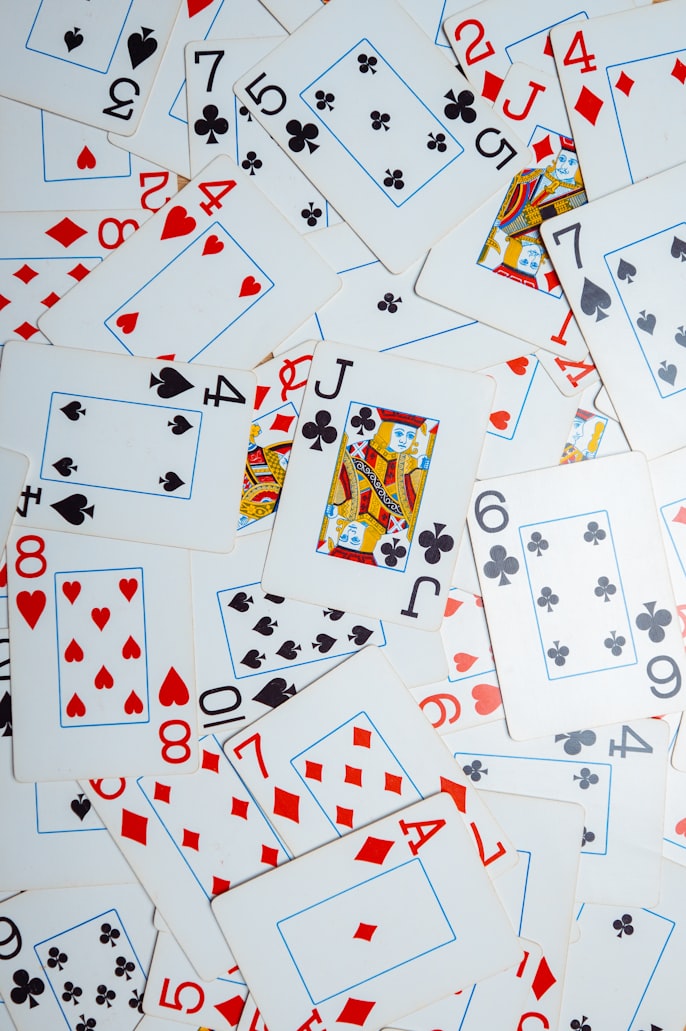
Moreover, even in games predominantly driven by luck, such as roulette or baccarat, players can still apply strategies or systems to manage their bankroll and make informed staking decisions. This interplay between skill and luck highlights the complexity of gambling. While players cannot control random outcomes, they can influence their overall experience through informed decision-making and a strategic approach to their gameplay. This interplay ultimately demonstrates that both skill and luck coexist within the casino environment, impacting how players approach their gaming sessions.
The Psychology of Believing in Luck
The belief in luck can have profound psychological implications for gamblers. For some individuals, the notion of luck may serve to boost confidence, prompting them to place larger bets or explore additional games. This psychological effect can create a cycle where temporary highs from wins reinforce the belief that luck is favoring them. Conversely, a string of sustained losses can lead to feelings of hopelessness or frustration, skewing perceptions of future gambling experiences and influencing decision-making processes.
Additionally, the phenomenon of “lucky charms” or pre-gambling rituals is a common practice among many players. Some individuals carry specific tokens, wear particular clothing, or engage in unique routines they believe will enhance their chances of winning. This behavior underscores a deep-seated desire to exert control over uncertain outcomes within a fundamentally random environment. Such rituals can psychologically elevate the gambler’s experience, even when they are aware that the games rely heavily on chance rather than personal influence.
Ultimately, how individuals perceive luck can shape their overall attitudes toward gambling. This perception can lead to responsible gaming practices or, conversely, to detrimental behaviors when players believe that luck is a reliable factor in their success. Recognizing the psychological power of belief in luck can empower gamblers to approach their experiences with healthier expectations, enabling them to enjoy the thrill of gambling while remaining cognizant of the risks involved.
The Impact of Casino Environment on Luck
The casino environment plays a pivotal role in shaping players’ perceptions of luck. The combination of vibrant lights, enticing sounds, and an exhilarating atmosphere is meticulously designed to create a euphoric experience that can significantly influence a player’s emotional state. This immersive ambiance often enhances feelings of luck, as the sensory overload can lead to heightened anticipation and engagement. In such an environment, players may feel more inclined to believe that they are on the verge of a lucky streak, despite the odds remaining unchanged.

Moreover, the social dynamics within a casino, such as group play or friendly interactions between players, can contribute to a sense of shared luck. Many individuals relish celebrating wins together, reinforcing the belief that luck can be communal. The excitement and camaraderie experienced during these interactions can create a feedback loop where positive experiences are amplified by group enthusiasm. This phenomenon leads players to perceive that luck is more favorable than it may actually be from a statistical standpoint, underlining the importance of atmosphere and community in shaping the gambling narrative.
The design of the casino itself, including the strategic layout of machines and tables, can subtly influence perceptions of luck. Certain games might be clustered together to create an illusion that specific games are “hot” or more likely to yield payouts. This perception can entice players to gravitate toward particular areas of the casino based on perceived trends, rather than informed statistical probabilities. Understanding how these environmental factors affect player behavior can equip individuals with better tools to navigate their gaming experiences, ultimately leading to more informed and enjoyable gambling sessions.
Exploring Responsible Gambling Practices
Given the unpredictable nature of luck in casinos, adopting responsible gambling practices becomes essential for maintaining a healthy gaming experience. Players should approach gambling with a clear understanding of their limits and an awareness of how luck impacts their overall experience. Establishing a budget for each visit can help manage expectations and prevent the escalation of losses, which can be exacerbated by the belief in luck. This financial discipline is crucial to enjoying the thrill of gambling without succumbing to harmful patterns or impulsive behaviors.
Furthermore, educating oneself about the odds and house edge associated with the games being played is vital for making informed decisions. This knowledge serves to counteract the often misleading belief that luck will dictate outcomes. By focusing on understanding game mechanics and probabilities, players can engage in more strategic play, reducing their reliance on luck. Such an informed approach can promote a more fulfilling experience that balances entertainment with a realistic understanding of the risks involved.
Finally, casinos and gambling jurisdictions increasingly emphasize responsible gaming initiatives, providing tools and resources designed to reinforce healthy gambling behaviors. Support systems are available to assist players in recognizing when luck is affecting their judgment and decision-making, offering options for self-exclusion or time limits on play. By advocating for responsible gambling practices, both players and the industry can work together to ensure that the excitement of the game can be enjoyed safely and sustainably, contributing to a positive gambling culture.